
Vacant Home Insurance
Start Your Quote in Minutes — Just Fill Out and Submit
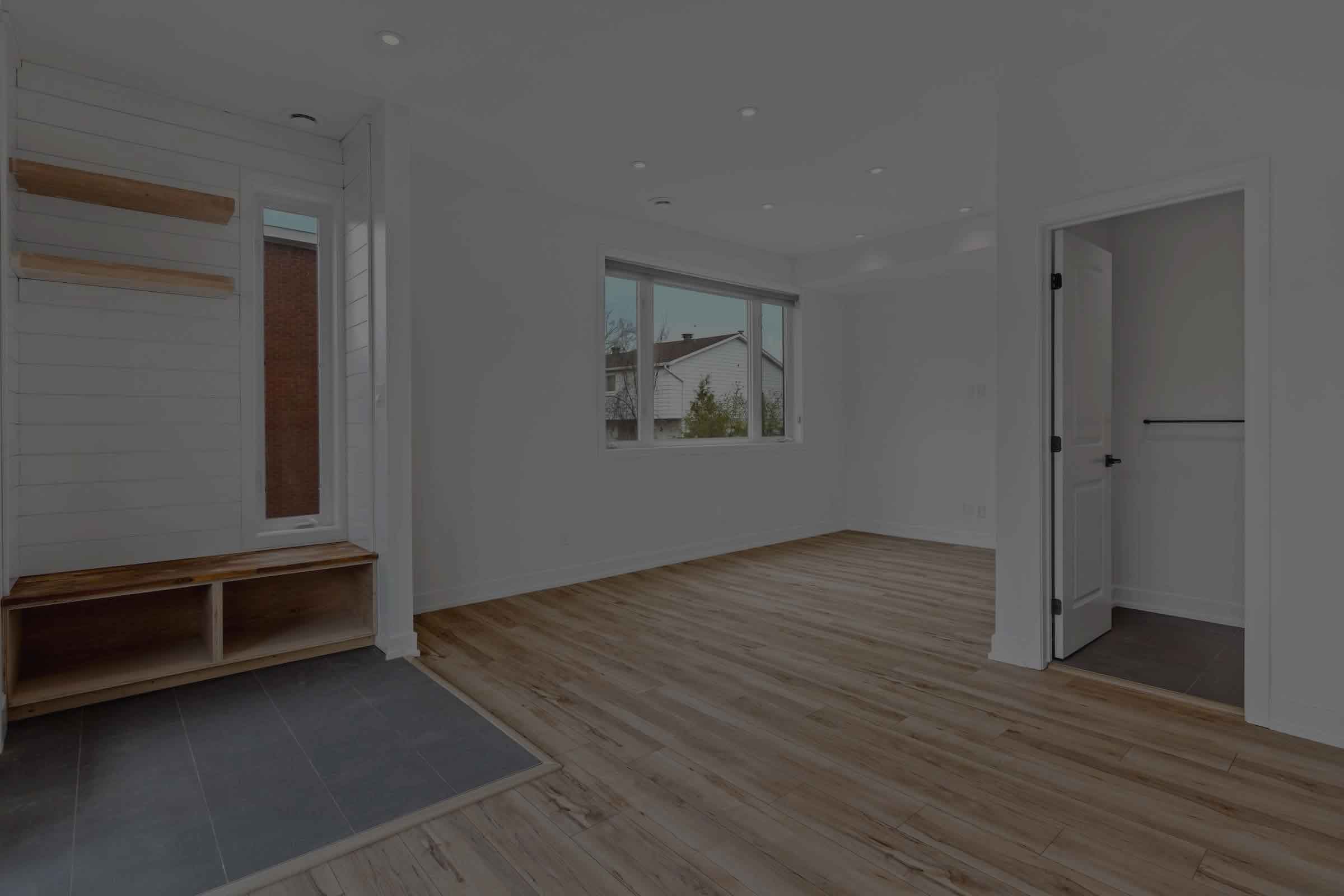
Protect Your Vacant Property with Confidence
Vacant homes come with unique risks and specific policy requirements — our tailored coverage helps safeguard your property while keeping you aware of the responsibilities needed to maintain protection. Get clear guidance, competitive rates, and coverage designed for landlords, renovators, and homeowners navigating vacancy periods.
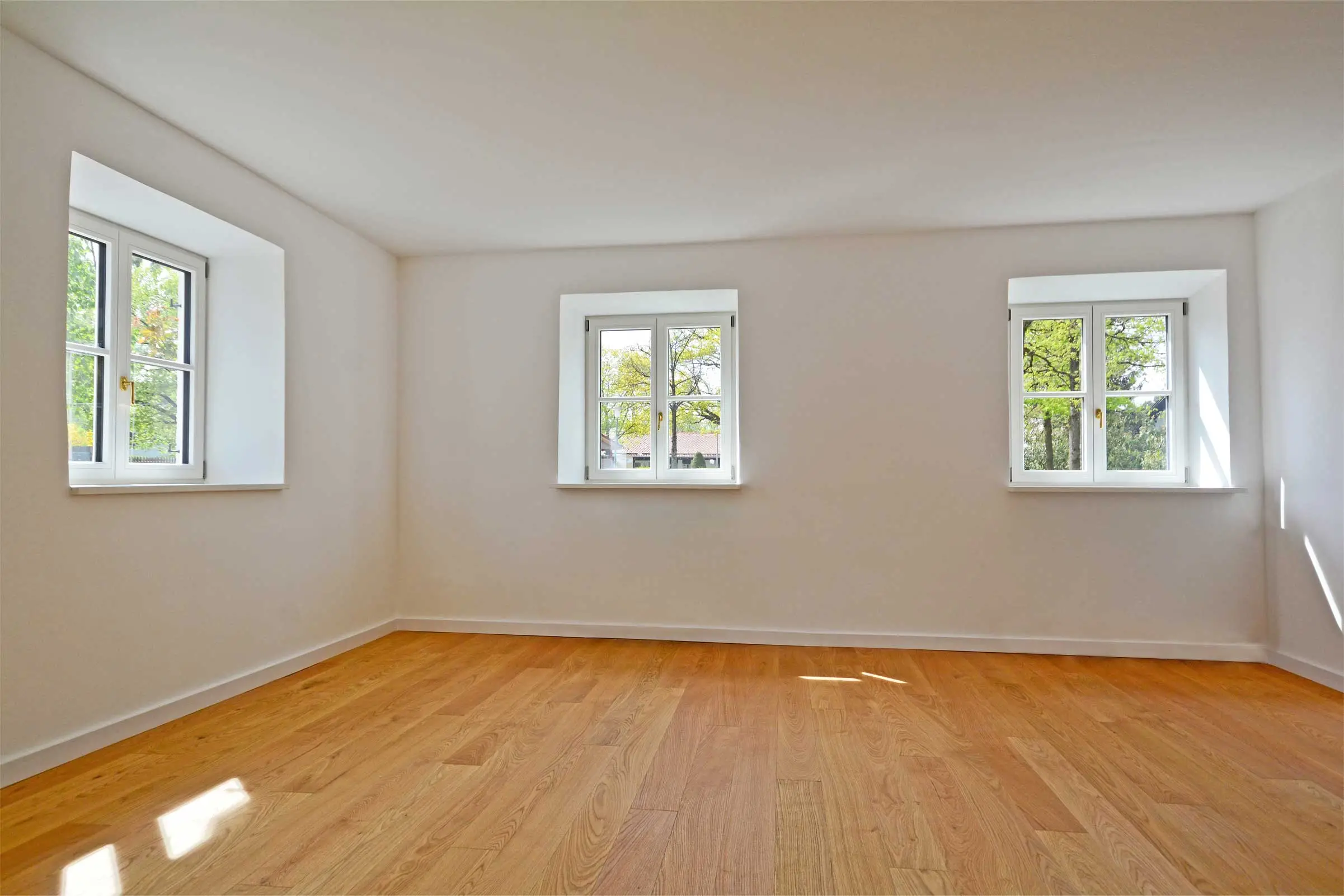
Vacant Home Insurance
For over four decades, Humberview Insurance Brokers has helped homeowners, landlords, and property managers secure the right protection — including coverage for homes that will be vacant for an extended period. If you need reliable and competitively priced vacant home insurance, our experienced brokers are here to help.
Vacant properties face unique risks, and coverage differs from a standard homeowners policy. Most vacant home policies do not cover water damage, and insurers require specific steps to keep coverage active. We guide you through these requirements, explain what is and isn’t covered, and arrange the policy that fits your situation.
Whether your property is between occupants, under renovation, part of an estate, or temporarily unoccupied, we offer solutions tailored to different property types and vacancy periods. Our licensed Insurance Brokers are here to support you from the quote stage to claim guidance, giving you confidence that your property is properly protected.
Contact us today to discuss your vacant home insurance needs. We’re committed to providing clear, knowledgeable advice and dependable service.
Vacant House Insurance Coverage:
Dwelling Building
Coverage for the main structure itself in the event of a covered peril. Vacant home policies typically insure the building on a more limited basis than standard home insurance, with exclusions that commonly include all forms of water damage. Loss settlement is usually on an Actual Cash Value basis, meaning depreciation will be deducted from claims.
Detached Private Structures
Covers other structures on the property that are not attached to the main dwelling — such as garages, sheds, or small outbuildings. Coverage limits and eligible perils may vary depending on the insurer and property condition. This is usually an additional coverage.
Premises Legal Liability
This coverage provides liability protection only for the vacant property itself. It applies strictly to your legal interest in that specific premises and does not extend to any other locations or to any personal activities. Liability under a vacant home policy is limited to incidents that arise directly out of the ownership, use, or condition of the vacant premises, such as someone being injured on the property due to a hazard.It is a much more restricted liability coverage than other types of property policies.
Vacant House Policy Features
-
Actual Cash Value Basis of Settlement
Vacant homes are typically insured on an Actual Cash Value (ACV) basis — the cost to replace the damaged property minus depreciation. Depreciation is determined by factors such as age, condition before the loss, resale value, life expectancy, and obsolescence. Keeping records of any updates or improvements can help reduce the amount of depreciation applied during a claim.
-
Named Perils Coverage
Vacant home policies are usually written on a Named Perils form, meaning the policy covers only the specific perils listed — commonly fire, lightning, windstorm, hail, and other limited causes of loss. It is very important to know that Named Perils policies do not cover water damage. This differs from the “all risk” approach found on many standard homeowners policies. Both types of policies contain additional exclusions that owners should be aware of.
-
Vacancy Permit / Requirements
Policies for vacant homes often include conditions that must be followed to keep coverage in force. These may include:
- Regular property checks within a specified number of hours
- Maintaining heat during the heating season or properly winterizing the plumbing
- Keeping the premises clean and free of debris
- Ensuring all doors and windows are securely locked
These requirements are critical, and failure to follow them may affect coverage in the event of a claim
When Do you Need Vacant Home Insurance?
Between Tenants
If your rental property is temporarily unoccupied while you search for new tenants, standard landlord insurance may no longer apply. A vacant home policy helps maintain protection during this transition period.
Under minor renovations
When a home is empty for light updates or cosmetic improvements, insurers often consider it vacant. A vacancy policy may be required that allows renovations. If renovations are extensive, then a separate course of construction policy may need to be arranged instead.
Vacant and going through probate
Estate properties are often unoccupied for months while legal processes are completed. Vacant home insurance provides protection during this period until the home is transferred, sold, or occupied again.
Listed for sale and vacant
Homes that are empty and on the market may require a vacant policy, as standard home insurance may limit coverage when no one is living there. This helps protect the property while awaiting a buyer.
Other situations may also require a vacant dwelling policy, which is why your first step should always be to notify your current insurance company if you expect the property to be vacant. In many cases, your existing insurer can grant permission for vacancy for a limited period. Checking with them first ensures you remain properly insured and avoid gaps in coverage.
FAQs for Vacant Home Insurance
-
Do I need to keep heat on in a vacant home?
Usually Yes. Most insurers require heat to be maintained or the plumbing fully winterized. Not following these requirements may void coverage. Always check with your specific insurance company what the requirements are.
-
Does vacant home insurance cover water damage?
Typically no. Most vacant policies exclude all forms of water damage unless specifically endorsed.
-
How long can a home stay vacant and still be insured?
Different insurers allow different vacancy periods — usually 30, 60, 90, or 180 days. Longer periods may require special underwriting approval. Always check with your specific insurance company. Most companies do not insure houses which have been vacant for 2 years or more.
-
Is vandalism covered?
Often no. Many vacant home policies exclude vandalism or restrict it unless certain protections are in place.
-
What if I’m only leaving the home for a few days?
Insurance companies often have specific requirements for homes insured as a primary residence, even when they are left unoccupied for short periods. Depending on the season and your policy, you may need to maintain heat, shut off the water, or arrange regular checks of the property. If you plan to be away, even briefly, contact your insurance company to confirm your obligations and ensure coverage remains in force.
-
What if I go to the property every few days anyway?
Visiting the property every few days does not change its status for insurance purposes. If no one is actually living there, insurers still consider the home vacant or unoccupied, and the policy requirements must be followed. Many claims are denied because owners believe occasional check-ins are enough, but insurers determine vacancy based on occupancy, not visits. Always confirm with your insurance company to ensure you have the correct policy type and the proper permissions in place.
-
What if I move some of my belongings into the home?
Moving a few personal items into the property does not make it your residence in the eyes of the insurer. Occupancy is based on where you are actually living, not whether some furniture or boxes are inside the house. Claims are frequently denied when owners try to classify a vacant property as occupied by placing items inside, only for the insurer to determine the home was not truly lived in. To avoid coverage issues, make sure the policy reflects the actual occupancy status of the home.
Resources

Why Ontario Landlords Can’t Have a No Pets Clause in Ontario
How to Handle Vacant Properties: Insurance Tips for Landlords and Homeowners
Difference Between Home Insurance & Rental Property Insurance
City of Toronto Approves Implementation of Vacant Home Tax

10 Tips to Protect Your Home from Water Damage