No Pets Clause in Ontario
4 min. read

Protect your building, liability exposure, and rental income with insurance designed specifically for Ontario rental properties — from single-family homes to multi-unit investments.

Owning a rental property in Ontario is a big investment – and comes with unique risks and responsibilities. A standard home policy won’t cover a property which is rented out. So rental property insurance (a.k.a. landlord insurance) is essential to protect your income and asset. Whether you’re renting out a house in Toronto, a fourplex in North Bay or a duplex in Ottawa, We make getting the right coverage simple and stress free.
Getting started is easy – fill out our quick online form or call us, and our team will promptly help you secure the protection you need
This coverage protects the physical structure of your rental property including walls, roof and built in fixtures against damage from events like fires and storms.
Legal liability coverage is crucial for landlords, providing protection in cases where they are held legally responsible for injuries or property damage stemming from their ownership of the rental property.
This coverage is crucial for landlords as it compensates for lost income if a rental property becomes uninhabitable due to a covered loss, like fire. It ensures the landlord continues to receive rental income while the property is being repaired for a specific limit and time period. It is relatively inexpensive coverage for the coverage it provides.
Sewer backup coverage is essential for landlords, as it covers damage to the rental property caused by the backup of sewers, drains, or sump pump failure.
Replacement cost coverage ensures that in the event of a loss, the insurance will cover the cost of rebuilding or replacing the rental property up to the specified limit, without factoring in depreciation. It is not available for every property, especially older properties without updates.
Claim protector coverage is designed to safeguard landlords against the increased cost of their insurance following a claim. It helps to stabilize the insurance rates, ensuring that one claim won’t significantly hike up the premiums. This coverage is not typically offered on commercial policies.
Service line coverage helps landlords with the cost of repairing or replacing damaged underground pipes and wiring that provide services (like water or drains) to the rental property. This coverage is not offered on most commercial policies.
This coverage protects the rental property from damage due to ground water accumulation or heavy rain. Its availability is dependent on the location as well as the policy type. Overland water is not currently offered on commercial policies.
Whether you're looking for rental property insurance in Ontario, comparing an income property insurance quote, or wondering how much rental home insurance costs, premiums are based on several core risk factors. Insurance for rental property in Ontario is not one-size-fits-all.




From single-family homes to multi-unit
rental properties, our
policies cover various types of
residences, helping you secure the right investment property insurance at a competitive
rate. If
you're wondering about rental property insurance costs, our brokers can
provide quotes based
on your property's features, location, and coverage needs.
Explore the different types of rental property insurance in Ontario below
and get started
with
a policy that fits your investment:
While coverage is essential, there are several ways landlords can reduce their rental property insurance costs without compromising protection.
If you insure your personal home or vehicle through the same provider, you may qualify for a multi-policy discount — one of the easiest ways to save if your rental home qualifies.
Own more than one income property? Many insurers offer multi-property discounts when you insure them under the same policy.
Every insurer prices risk differently. As a broker, we compare quotes from multiple Ontario insurers to find you the best value for your rental’s location, size, and occupancy type.
If you're comfortable covering more out of pocket for small claims, choosing a higher deductible can significantly lower your annual premium.
Some insurers add financing fees to monthly payments. Paying your policy in full upfront can help you avoid those extra charges.
Updating your rental’s plumbing, electrical systems, or roofing can reduce the chance of claims — and lower your rate. Some insurers may offer discounts for modern safety features like alarms or leak detectors.
Landlords with a clean insurance history are often rewarded with better rates. Avoiding frequent claims helps you qualify for claims-free discounts over time.
Many insurance companies consider you credit score when determine your premium. A strong credit profile can help you qualify for better rates. Not all insurers use credit scoring, but maintaining good credit can improve your pricing options.

Independent Insurance Brokerage
We Compare Top Ontario Insurers
Straightforward, Honest Advice
Fast, No-Stress Rental Property Insurance Quotes
True Ontario Expertise
Yes. The terms are often used interchangeably. Rental property insurance (also called landlord insurance) is designed to protect property owners who rent out their homes and multi-unit buildings. It typically includes building coverage, liability protection, and other optional coverages.
It is not legally required by the province. However, if you have a mortgage, your lender will almost always require proper insurance coverage. Even without a mortgage, standard home insurance usually does not cover rental activity — so specialized landlord coverage is strongly recommended.
No. A landlord policy should cover the building and your liability exposure, not the tenant’s personal property. Tenants should carry their own tenant insurance to protect their belongings as well as additional living expenses and their personal liability.
It depends. In some cases, your existing home insurance company may allow a rental property to be added to your current policy — but only if it meets their underwriting criteria. This can include factors such as the age of the building, updates to plumbing, electrical and roofing, the type of occupancy, and overall risk profile.
Not all rental properties qualify under a standard home policy. You must always disclose any rental activity to your insurer to ensure the exposure is properly rated and covered. Failing to do so could result in denied claims or policy cancellation.
Yes, but not all insurers offer it. Short-term rentals like Airbnb require specific underwriting approval or a specialized policy. Standard landlord insurance may not automatically cover short-term rental activity.
Some insurers offer multi-property discounts when you insure multiple rentals with the same company. However, depending on the type and number of properties you own, there may be a point where they need to be placed under a commercial rental property policy rather than individual personal policies. A broker can help structure your portfolio properly to ensure it’s placed with the right insurer and policy type.
Loss of rental income may be covered if the property becomes uninhabitable due to an insured claim (such as fire). It does not cover tenant non-payment or vacancies. Coverage depends on the policy wording and endorsements selected. Loss of rental income is an optional coverage.
No. Rental property insurance policies can vary significantly between insurers. Coverage options, exclusions, deductibles, limits, water damage protection, loss of rental income wording, and eligibility requirements can all differ. Some policies are designed for updated properties with stable tenants, while others are more restrictive. Always review the wording carefully — price alone should not determine your choice.
A Named Perils policy only covers losses specifically listed in the policy (such as fire, lightning, or windstorm). If a cause of loss is not listed, it is not covered. Named perils policies typically do not cover water damage.
A Broad Form policy provides wider protection and generally covers all risks except those specifically excluded in the policy wording. Broad Form policies typically offer more comprehensive protection but may require the property to meet stricter underwriting standards (such as updated plumbing, electrical, and roofing).
Actual Cash Value (ACV) coverage pays the depreciated value of damaged property at the time of loss. This means wear and tear is deducted from the payout.
Replacement Cost coverage pays the cost to repair or replace the damaged property with new materials of similar kind and quality, without deducting depreciation (subject to policy conditions).
Replacement Cost coverage generally results in higher claim payments but may require the property to meet certain underwriting criteria.
Yes. Most insurance policies require you to notify your insurer if a property will be vacant.
Vacant properties present a higher risk for issues such as water damage, vandalism, theft, and undetected losses. If you do not disclose a vacancy and a claim occurs, coverage could be restricted or denied.
In many cases, your insurer may:
Always notify your insurer before the property becomes vacant to ensure proper coverage remains in place.
Rental property liability insurance in Ontario protects you if a tenant or visitor is injured on your property and holds you legally responsible. It can help cover legal defence costs, settlements, and judgments related to bodily injury or property damage claims.
Rental income coverage in Ontario helps replace lost rental income if your property becomes uninhabitable due to an insured loss, such as fire. Coverage typically applies for the reasonable time required to repair the property, subject to policy limits and wording.
Sewer backup coverage for rental property in Ontario is usually optional and must be added by endorsement. It protects against damage caused by backed-up municipal sewer lines or drains, which is commonly excluded under standard policies unless specifically included.
Overland water coverage for rental property in Ontario is typically optional and must be added by endorsement. It protects against water entering the property due to heavy rainfall, sudden pooling, or overflow from nearby bodies of water. Coverage availability, limits, and deductibles vary by insurer and property location. In many cases, overland water coverage is not available on commercial landlord policies, making proper risk assessment and mitigation especially important for student rentals, rooming houses, larger multi-unit properties, or single-family rentals insured under a commercial policy.
Ontario landlords face a variety of risks — from water damage ito tenant-caused fires in duplexes. Below are example scenarios that show how rental property insurance can respond. These examples are for educational purposes and reflect common types of claims.
| Claim Type | Description | Location | Estimated Claim Cost | Coverage Used |
|---|---|---|---|---|
| Water Damage – Burst Pipe | A pipe burst in the second-floor bathroom of a 3-unit rental during winter while tenants were away. Water soaked the ceiling and walls of the lower units, damaging drywall and flooring. | Ottawa | ~$29,000 | Building Coverage & Loss of Rental Income (3 weeks) |
| Liability – Trip and Fall | A tenant’s guest slipped on icy front steps that were not properly salted, resulting in a fractured wrist. The guest sued the landlord for negligence. | Barrie | ~$23,000 | Landlord Liability Coverage – Legal Fees & Settlement |
| Sewer Backup | During a rain storm a backed-up municipal sewer line caused water to enter a rental’s basement laundry area, damaging flooring and appliances provided by the landlord. | Mississauga | ~$14,500 | Sewer Backup Endorsement (Optional Add-On) |
The claim examples above are illustrative scenarios based on common types of losses experienced by Ontario rental property owners. They are provided for general educational purposes only and do not represent any specific client file. Coverage availability, claim payments, and policy response depend on the individual insurance policy wording, endorsements selected, deductibles, exclusions, and underwriting details. Not all policies automatically include coverages such as sewer backup or loss of rental income. Actual claim outcomes and costs may vary.
| Property Type | Occupancy Type | Policy Type | Monthly |
|---|---|---|---|
| Single-family rental home in Milton | 1 Family tenant occupying | Standalone landlord policy (personal) | $115 |
| Triplex with owner-occupant in Etobicoke | Owner + tenant setup | Rental units to owner’s home policy | $87 |
| Fourplex rental in Toronto | 4 individual families | Commercial landlord policy | $258 |
| Nice Property with temporarily overseas owner in Ottawa | 1 Family tenant occupying | Standalone landlord policy (personal) | $318 |
These are general estimates only. Final premiums depend on property features, location, your credit score, tenant type, and coverage limits


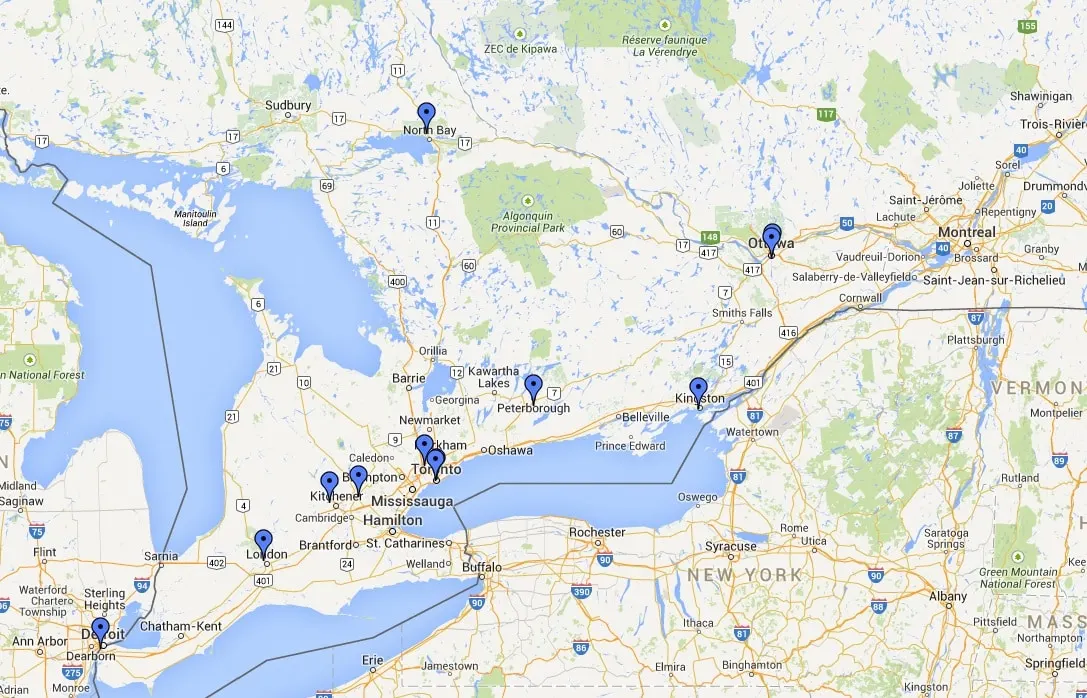
Whether you own one small rental unit or manage a portfolio of properties, we help Ontario landlords find the right coverage for their specific needs. Below are the common types of rental property insurance solutions we provide:





Works for: Humberview Insurance Brokers Ltd.
Arian Borys is a Level 3 licensed insurance broker with over 15 years of experience helping Ontario rental property owners protect their rental investments. In 2010, he was among the first to introduce the term “landlord insurance” online, at a time when many property owners struggled to secure proper coverage. Recognizing the need for rental-specific solutions, Arian also helped develop tailored insurance options for student rental houses in partnership with a Canadian insurer — a program that remains in place today. From single-family rentals, multi-unit, student rentals and mixed-use properties, Arian provides clear, practical guidance landlords can rely on.