
Landlord & Rental Property Insurance Across Ontario
Protect Your Rental Property With the Right Landlord Insurance:

Find the Right Landlord Insurance For Your Rental Property
Landlord Insurance Coverage Options
| Building Coverage | Liability | Rental Income |
|---|---|---|
| Protection for the insured rental building and eligible lost rental income | Protection against covered liability claims | Helps replace eligible lost rental income |
| Sewer Backup | Replacement Cost | Equipment Breakdown |
| Protection from covered sewer backup damage | Replacement cost coverage where eligible | Protection for eligible equipment breakdowns |
Coverage availability varies by insurer, property type, occupancy and eligibility. Coverage is subject to policy terms, conditions, limits and exclusions.
Common Landlord Insurance Exclusions
| Wear & Tear | Tenant Property |
|---|---|
| Normal wear, deterioration and maintenance are generally not covered | Tenants are responsible for insuring their own belongings |
| Intentional Damage | Vacancy |
| Intentional losses are generally excluded | Coverage may change or be restricted when a property becomes vacant |
Exclusions vary by insurer and policy. Coverage is subject to policy terms, conditions, limits and exclusions.
Ontario Landlord & Rental Property Insurance FAQ
-
What is landlord insurance?
Landlord insurance is designed for properties that are rented to tenants. It can provide coverage for the rental building, landlord liability, lost rental income and other risks depending on the policy.
-
What does landlord insurance cover?
Landlord insurance can include coverage for the building and liability, other coverages can be added such as rental income and landlord-owned property. Additional coverage such as sewer backup and other options may also be available depending on the property and insurer.
-
What’s the difference between landlord insurance and home insurance?
Home insurance is generally designed for a property you live in as your primary residence. Landlord insurance is designed for properties rented to tenants and addresses risks associated with owning a rental property.
-
Can I insure multiple rental properties on one policy?
Depending on the insurer and properties involved, multiple rental properties may be insured under one policy. Other situations may require a separate policy.
-
Can I get standalone rental property insurance?
Yes. Some insurers offer standalone rental property insurance without requiring your primary residence to be insured with the same company. Availability depends on the specific property, occupancy and insurers’ guidelines.
-
Can a rental property be insured under a corporation?
Yes. Rental properties owned by a corporation may be acceptable. The appropriate policy will depend on the ownership structure, property type and how the property is used.
-
Does landlord insurance cover lost rental income?
Landlord insurance may include rental income coverage when a covered loss makes the rental property unfit for occupancy. Coverage limits, qualifying losses and the length of coverage vary by policy.
-
Does landlord insurance cover tenant damage?
Landlord insurance may cover certain sudden and accidental damage caused by tenants, depending on the policy. Wear and tear, intentional damage and maintenance-related losses may be excluded or treated differently.
-
What affects the cost of landlord insurance in Ontario?
Landlord insurance rates can be affected by the property's location, building type, number of units, occupancy, replacement cost, age and updates, claims history, coverage selected and other underwriting factors.
-
Do I need different insurance for student rentals or rooming houses?
Student rentals and rooming houses can have different occupancy and underwriting requirements than a typical family rental property. The insurer should know how the property is occupied so the correct type of coverage can be arranged.
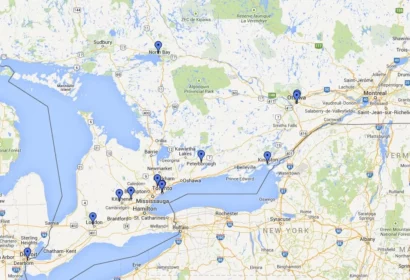
Landlord Insurance Across Ontario
Find Landlord Insurance by City
Greater Toronto Area (GTA) Landlord Insurance
Central Ontario Landlord Insurance
Southwestern & Southern Ontario Landlord Insurance
Eastern Ontario Landlord Insurance
Northern Ontario Landlord Insurance
Guides for Landlords & Property Owners in Ontario

Hamilton Student Rentals

Attention Landlords: Ontario Standard Lease

Why Ontario Landlords Can’t Have a No Pets Clause in Ontario

How to Handle Vacant Properties: Insurance Tips for Landlords and Homeowners
Why Investing in Ontario Student Rental Properties Might Be a Good Investment